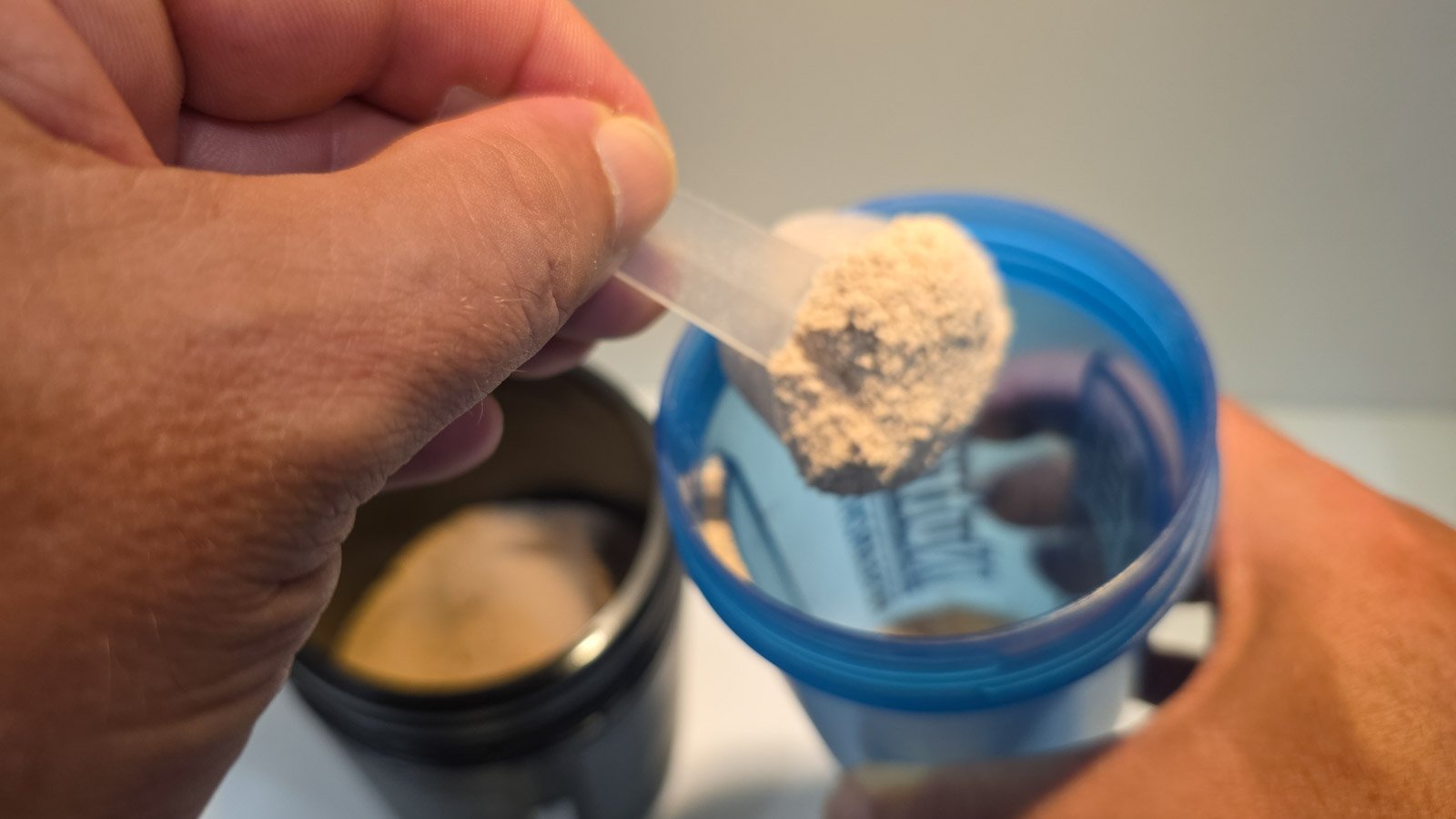
At some point after 50, you realize the issue isn’t motivation anymore.
You still want to train.
You still want to stay active.
You still want to feel strong when you walk into a gym, carry groceries, climb stairs, or get out of bed in the morning.
But the body doesn’t respond the same way it used to.
Recovery takes longer.
Muscle disappears faster during periods of inactivity.
Sleep affects everything.
Even a few bad weeks of stress, travel, poor eating, or inconsistent training suddenly show up physically.
Not dramatically overnight.
But enough to notice.
And for many men, one of the biggest changes is this:
You can no longer rely on “eating normally” to maintain strength and muscle.
In your 20s and 30s, you could get away with almost anything.
A big dinner.
Some random protein during the day.
A few workouts each week.
Pizza Night…
And somehow your body held together.
After 50, the margin gets smaller.
The body becomes less forgiving.
That’s where protein starts becoming less about bodybuilding — and more about preservation.
Not chasing size.
Not trying to look like a fitness influencer.
Just maintaining strength, recovery, energy, and physical capability as you age.
The Mistake Most Men Make With Protein After 50
Most men don’t suddenly stop eating protein after 50.
The problem is more subtle than that.
They simply never adjust their intake as their body changes.
A lot of men still eat based on habit, convenience, or appetite.
And appetite itself often changes with age.
Breakfast becomes coffee.
Lunch becomes something quick.
Dinner carries most of the nutrition for the entire day.
On paper, it may not even look terrible.
But over time, the body notices.
Especially if you train.
Especially if you’re trying to stay lean while maintaining muscle.
Especially if you’re active but not intentionally eating enough protein to support recovery.
One of the biggest misconceptions is thinking:
“I’m eating healthy, so I’m probably getting enough.”
But healthy and sufficient are not always the same thing.
You can eat relatively clean and still under-eat protein for years without realizing it.
And after 50, the body becomes less forgiving about that.
The issue isn’t usually one terrible meal.
It’s the accumulation of slightly insufficient recovery, day after day, week after week.
That’s when strength slowly starts declining.
Recovery slows down.
Muscle becomes harder to maintain.
And energy during workouts starts feeling inconsistent.
Not because you’re getting “old.”
But because the body now requires more intentional support than it used to.
What Changes After 50
One of the biggest misunderstandings around aging and muscle loss is thinking it only happens to inactive people.
It doesn’t.
Even men who continue training notice that maintaining muscle becomes harder with age.
Part of that is lifestyle.
Stress accumulates.
Sleep becomes more important.
Recovery capacity changes.
But there’s also a physiological shift happening in the background.
As we age, the body becomes less responsive to protein intake and resistance training stimulus. This is sometimes referred to as anabolic resistance.
In simple terms:
The body no longer builds and repairs muscle as efficiently from the same amount of protein and training that worked in your 30s.
That doesn’t mean muscle can’t be built after 50.
It absolutely can.
But it usually requires more consistency, better recovery, and more intentional nutrition.
Especially protein intake.
And the consequences of inactivity become more noticeable, too.
In your younger years, you could take a few weeks off training and bounce back quickly.
After 50, periods of inactivity, tend to cost more.
Strength drops faster.
Muscle loss happens faster.
And rebuilding takes longer than most men expect.
That’s one of the reasons protein starts mattering more with age.
Not because you’re trying to become massive.
But because maintaining lean mass becomes part of maintaining function, energy, and long-term physical independence.
My Own Shift With Protein
In my 30s, protein was mostly connected to growth.
More size.
More strength.
More progress in the gym.
Back then, I rarely thought about recovery in a deeper sense.
You trained hard, ate a lot, and kept moving.
Now, protein feels different.
It feels less about chasing muscle and more connected to maintaining performance and recovery over time.
Especially when training consistently after 50.
One thing I’ve noticed is that under-eating protein affects me much faster now than it used to.
Workouts feel flatter.
Recovery slows down.
Energy becomes less stable.
I eat more chocolate…
And if training intensity stays high while protein intake drops, the body notices fairly quickly.
These days, I try to keep things simple.
I’m not interested in carrying containers of chicken and rice everywhere or obsessively tracking every gram.
Some days I get most of my protein through meals.
Other days, especially while traveling, protein shakes simply make life easier.
I usually mix whey protein with creatine and sometimes collagen, depending on the day and what I have available in my suitcase.
Not because it’s some advanced system.
Just because consistency matters more now than perfection.
And honestly, that’s probably one of the biggest mindset changes after 50.
You stop looking for the perfect setup.
You start looking for the setup you can actually maintain long term.
What Most Protein Marketing Gets Wrong
I’ve spent enough time in the fitness industry to notice a pattern:
Everything becomes extreme.
Every supplement is “game-changing.”
Every product promises transformation.
A new life…
And every fitness influencer somehow manages to consume 300 grams of protein per day while staying shredded year-round.
Most men over 50 do not need to live like that.
And honestly, trying to can make fitness feel exhausting.
A lot of protein marketing is still built around bodybuilding culture:
More size.
More muscle.
More mass.
More everything.
But many men over 50 are not trying to become bodybuilders.
They’re trying to:
- stay functional
- stay lean
- maintain strength
- keep energy stable
- avoid feeling physically fragile as they age
That’s a completely different goal.
Another problem is the obsession with perfection.
The fitness industry often makes it sound like missing one shake or one meal somehow destroys all progress.
It doesn’t.
Consistency matters far more than perfection.
And protein itself is not magic.
It won’t compensate for:
- poor sleep
- chronic stress
- inactivity
- excessive drinking
- lack of resistance training
It supports structure.
It doesn’t replace it.
Personally, I also think many men end up overcomplicating protein intake.
You do not need to walk around with six meal containers every day to stay in shape after 50.
You do not need to turn eating into a full-time job.
You simply need enough consistent protein to support recovery, training, and lean mass over time.
That’s a much more sustainable way to approach fitness long term.
What Actually Matters Most
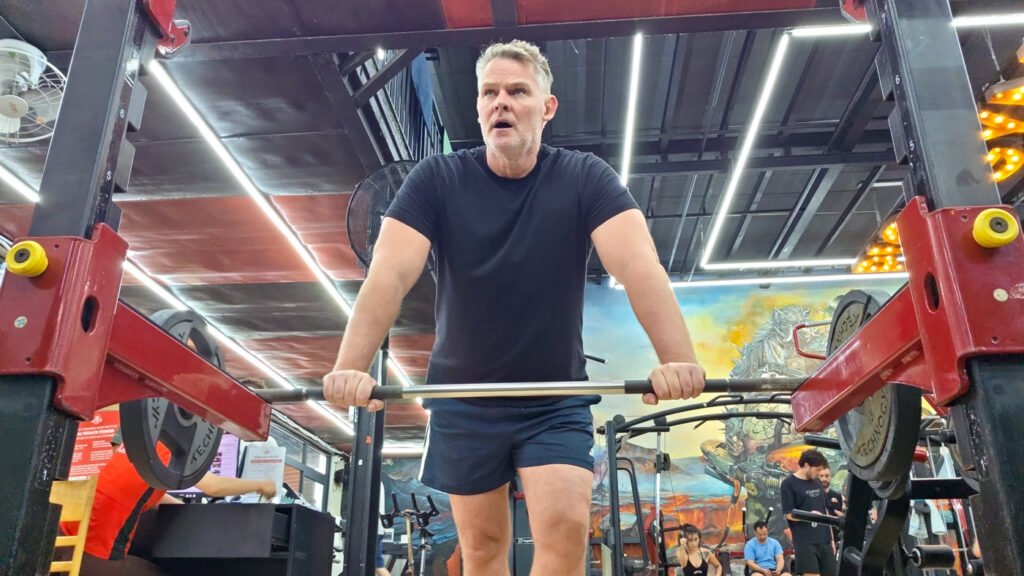
After 50, fitness becomes less about intensity and more about sustainability.
That doesn’t mean you stop training hard.
It means the goal changes.
You stop trying to destroy yourself in every workout.
You start trying to stay consistently capable week after week, month after month, year after year.
And that’s where protein actually matters.
Not as a miracle supplement.
Not as a shortcut.
But as part of the support system that helps the body keep functioning well over time.
For most men, the biggest difference comes from very basic things done consistently:
Getting enough protein most days.
Training with some form of resistance regularly.
Sleeping reasonably well.
Managing stress better.
And avoiding the cycle of extreme motivation followed by complete inconsistency.
That cycle becomes far more expensive after 50.
One thing I’ve personally noticed is that recovery now determines almost everything.
If recovery is poor, training quality drops quickly.
Energy drops.
Workouts become harder to maintain.
And motivation usually follows.
That’s why I see protein less as a “muscle-building tool” now and more as recovery support.
It helps maintain output.
And maintaining output consistently over time is probably one of the biggest advantages you can have as you age.
Not because it looks impressive online.
But because physical capability compounds over decades, just like physical neglect does.
Who Should Prioritize Protein Most After 50
Not every man needs to obsess over protein intake.
But some men will benefit from paying closer attention to it than others.
Especially:
Men who strength train several times per week.
Men trying to maintain muscle while losing fat.
Men returning to training after years of inactivity.
Men noticing slower recovery between workouts.
Men with lower appetite who unintentionally under-eat.
And men over 50 who simply want to stay physically capable as they age.
Because one of the realities of getting older is this:
Muscle becomes easier to lose.
And once significant muscle loss happens, rebuilding it takes far more effort than maintaining it in the first place.
That’s why protein matters even for men who are not trying to “bulk up.”
It supports maintenance.
And maintenance becomes increasingly valuable with age.
Especially during stressful periods.
Travel.
Busy work schedules.
Poor sleep.
Or phases where training consistency drops.
Those are often the moments where older men slowly start losing strength and lean mass without fully realizing it.
And it usually doesn’t happen dramatically.
It happens quietly.
A little less strength.
A little less muscle.
A little lower energy.
Until one day the body simply feels older than it used to.
That’s the part many younger fitness influencers never talk about.
After 50, the real goal often isn’t building an extreme physique.
It’s avoiding unnecessary physical decline for as long as possible.
Realistic Expectations
Increasing protein intake is not going to suddenly transform your body in 30 days.
And honestly, that mindset is part of the problem with modern fitness culture.
Most meaningful physical changes after 50 happen slowly.
But they do happen.
With consistent training and sufficient protein intake, most men can realistically expect:
Better recovery between workouts.
More stable energy.
Improved workout performance.
Better muscle retention during fat loss phases.
And a greater ability to maintain strength over time.
What you probably should not expect is:
To suddenly look 25 again.
To build massive amounts of muscle effortlessly.
Or to undo years of inactivity with a few protein shakes.
Protein supports the process.
It does not replace the process.
And one thing I think many men underestimate is how important maintenance actually becomes with age.
Maintaining strength is valuable.
Maintaining muscle is valuable.
Maintaining the ability to move well, train consistently, and stay independent physically is valuable.
Especially after 50.
Because physical decline rarely happens all at once.
It usually happens through years of small neglect compounded over time.
And in many ways, sufficient protein intake is less about chasing improvement and more about slowing unnecessary decline.
That may not sound exciting from a marketing perspective.
But it’s probably the more honest conversation.
Is Protein Powder Worth It After 50?
Protein powder is probably one of the most overcomplicated supplements in the fitness industry.
At the end of the day, it’s simply a convenient protein source.
Not magic.
Not anabolic steroids in powder form.
Just convenience.
And for many men over 50, convenience matters more than fitness culture likes to admit.
Because real life gets in the way.
Travel.
Work.
Lower appetite.
Busy schedules.
Long days where eating perfectly simply doesn’t happen.
That’s where protein powder can help.
Not because you can’t get protein from food.
You absolutely can.
But consistently eating enough protein every single day through whole foods alone is not always realistic for everyone.
Especially when appetite decreases with age.
Personally, I see protein powder as a tool, not a requirement.
Some days I rely more on regular meals.
Other days, especially while traveling, a shake makes things easier and more consistent.
Most of the time, I use whey protein simply because it’s practical and easy.
I also use collagen occasionally, but more as an addition than a replacement, since collagen is not a complete protein source for muscle support.
And honestly, I think that’s the healthier mindset:
Use protein powder to support your nutrition.
Not to replace real food entirely.
You do not need the perfect supplement stack.
You do not need 14 different flavors.
And you definitely do not need to build your entire identity around gym supplements.
You simply need enough consistent nutrition to support the life and body you’re trying to maintain.
Bottom Line
After 50, the conversation around protein changes.
At least it did for me.
In my younger years, protein was mostly tied to growth.
More muscle.
More size.
More strength.
Now, it feels more connected to maintenance.
Staying capable.
Recovering well enough to keep training consistently.
Preserving muscle instead of constantly trying to build more of it.
And perhaps most importantly:
Maintaining physical independence for as long as possible.
Because that’s really what a lot of this comes down to after 50.
Not chasing perfection.
Not looking like a fitness influencer.
Not trying to become the biggest guy in the gym.
Just staying strong enough to continue living life on your own terms.
For me, protein is no longer about chasing an ideal physique.
It’s part of the long game now.
A simple but important part of staying functional, active, and physically resilient as the years move forward.
And honestly, that feels like a much better reason to care about nutrition than chasing another transformation photo online.
FAQ: Protein After 50
How much protein should a man over 50 eat?
It depends on activity level, body size, and training frequency, but most active men over 50 will likely benefit from eating more protein than they did when they were younger. Especially if they strength train regularly or want to maintain muscle while aging.
Is protein more important after 50?
In many ways, yes. As we age, the body becomes less efficient at maintaining muscle mass and recovering from training. Protein becomes more important for preserving strength, recovery, and physical function over time.
Can men over 50 still build muscle with enough protein?
Absolutely. Building muscle after 50 is still possible, especially when protein intake is combined with resistance training and consistency. It may happen slower than in your 20s, but progress is still very achievable.
Is whey protein safe after 50?
For healthy adults, whey protein is generally considered safe and is one of the most practical ways to increase protein intake. As always, men with existing medical conditions should consult a healthcare professional.
Does protein powder cause kidney damage?
This concern is often exaggerated. In healthy individuals with normal kidney function, moderate protein intake and protein supplementation are generally considered safe. Men with diagnosed kidney disease should speak with their doctor first.
Is collagen enough for muscle maintenance?
Not really. Collagen can be useful for joints, skin, and connective tissue support, but it is not a complete protein source for muscle maintenance. It’s better viewed as an addition to overall protein intake rather than the foundation.
Do I need protein shakes if I eat enough protein through food?
No. Protein shakes are convenience tools, not requirements. If you consistently get enough protein from whole foods, shakes may not be necessary. They simply make consistency easier for many people.
Is protein important even if I’m not trying to get big?
Yes. After 50, protein becomes less about bodybuilding and more about maintaining muscle, strength, recovery, and long-term physical capability.